
Forbidden Romance · 18+ · 800 WORDS
A House in Two Names
Two adult co-owners investigate a house’s secret history while negotiating whether trust and love can survive boundaries, withheld truths, and competing needs.
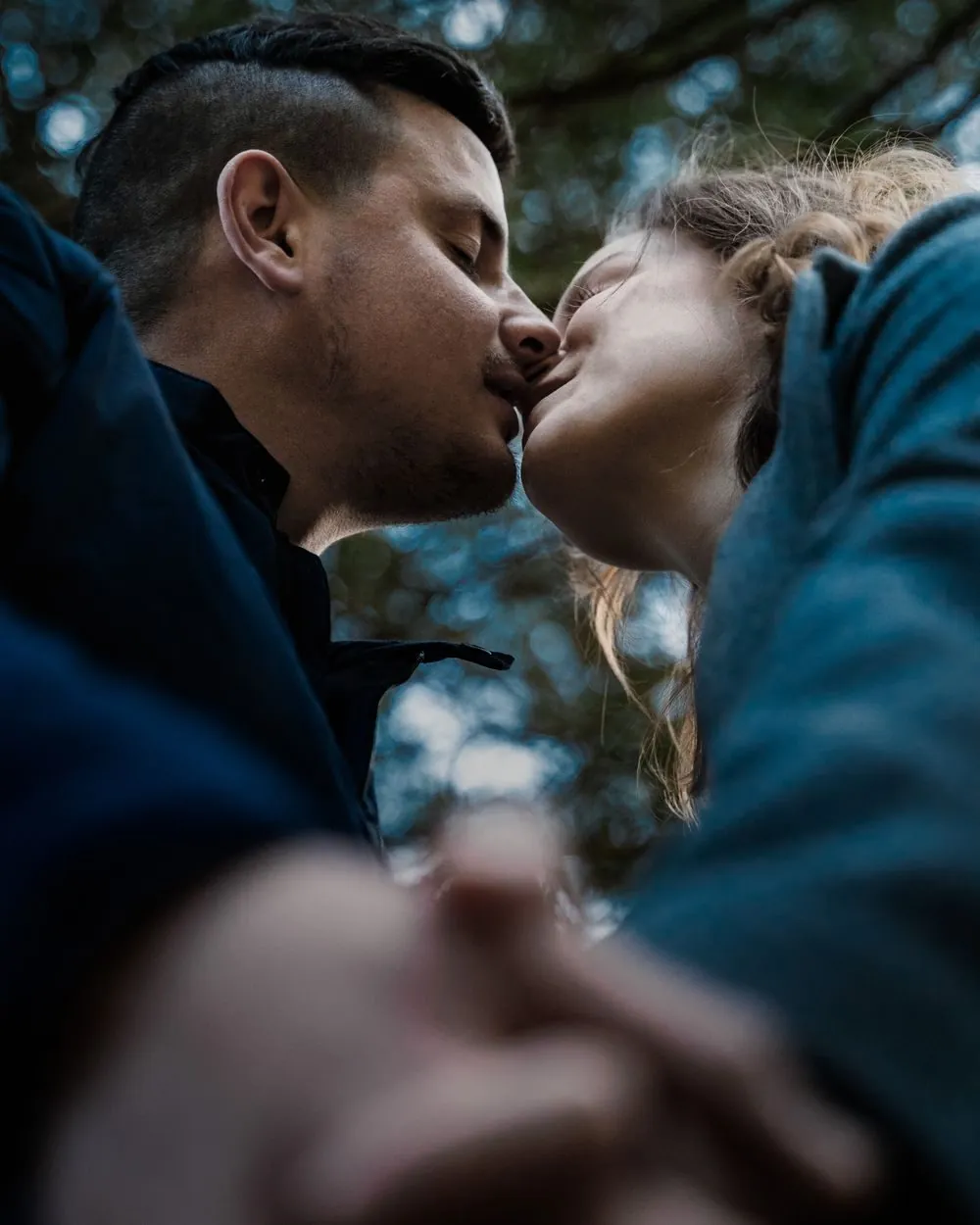
In the thriller A House in Two Names, inheritance is not a gift but a document designed to keep its owners suspicious. Mara Venn, a 38-year-old restoration architect, returns to a coastal town after her aunt’s death and discovers that a house belongs equally to her and Elias Rook, 41, an archivist. Neither remembers agreeing to the arrangement. Their signatures sit beneath a clause requiring both owners to remain in residence until the property’s history is resolved. The premise turns domestic proximity into a legal trap, then asks whether intimacy can survive when every room seems to testify against them.
Mara arrives intending to sell; Elias refuses because the house contains papers that may identify who altered its deed decades earlier. Their aims are not interchangeable, and the story resists treating his caution as virtue or her impatience as selfishness. She needs money to keep her studio afloat, while he fears a sale will erase evidence of his mother’s claim. Both are over thirty, established, and capable of leaving. The binding clause is melodrama, not an excuse for helplessness: each can walk away, but doing so abandons something costly. That choice gives their confinement weight and keeps agency in view.
The house behaves like an unreliable witness. A sealed pantry conceals duplicate keys; a ledger lists repairs paid for by someone neither owner recognizes. Rather than deliver clues through confession, the film lets Mara’s architectural eye and Elias’s archival patience produce different versions of the past. Their arguments concern evidence as much as attraction. He calls a cracked lintel proof of deliberate concealment; she calls it neglect until measurements contradict her. The investigation creates respect without making either character an accessory to the other’s expertise. Rooms become a map of competing interpretations, and suspense grows from uncertainty rather than menace.
The romance develops through negotiated habits, not sudden surrender. Mara asks Elias to knock before entering the workshop; he agrees, then admits he once searched her luggage for a deed. She names the breach and moves her documents into a case. His apology matters because he accepts the boundary without demanding forgiveness. Later, she shares a discovery, specifying that he may read the original but not photograph her notes. Their closeness includes one kiss, followed by a conversation about whether desire clouds their judgment. The film treats consent as attention, not a scene of permission, and lets trust remain unfinished.
A storm cuts power, but darkness is not used to force closeness. The adults shelter in separate rooms, speaking through a doorway as a radio reports the road. Elias reveals that his mother asked him to protect her claim by withholding documents; Mara explains that secrecy has cost her partnerships, professional and personal. Neither confession cancels harm. Trust remains provisional when Mara learns he kept a letter from her. She does not reward concealment with an embrace. Instead, she insists that he place the archive on the table and let her decide what it means. Her demand changes their terms.
The revelation complicates inheritance rather than supplying a villain. The aunt and Elias’s mother bought the house after leaving spouses, then concealed their arrangement to protect a refuge for women. An amendment added Mara’s name because her aunt wanted an architect to preserve the building, but omitted its original purpose. Elias’s mother feared exposure; the aunt feared the refuge would become spectacle. Their pact was imperfect, offering safety while burdening younger relatives with silence. The film refuses to romanticize secrecy simply because it began as care. Good intentions still shape other people’s choices without consent, and protection can become control.
Mara and Elias must decide whether to publish the history, sell, or convert the house into a community archive. Options cost something: publicity could expose former residents, secrecy would repeat guardianship, and preservation requires money neither can spare. Their agreement establishes a trust, anonymizes records, and gives both owners a veto over use. They choose to live apart while the plan is reviewed. Separation is not punishment or a test of devotion; it protects their ability to judge the project without confusing partnership with property. The climax is a meeting, not a chase through corridors, making deliberation the thriller’s action.
As a fictional drama, A House in Two Names finds suspense in paperwork that outlasts affection. Its question is not whether Mara and Elias can love, but whether love can coexist with informed disagreement and accountable limits. The final image leaves the house lit from within, its front door open for a community consultation, while the owners stand on opposite sides of the threshold. They have not solved every consequence or promised a future together. They have made room for choices belonging to others. That act resolves the story: trust is possible when nobody claims ownership of another person’s truth.