
Secret Affairs · 18+ · 800 WORDS
Names in the Rain
An archivist untangles altered love letters and discovers that protecting a secret can demand as much honesty as revealing one.
In the imagined thriller Names in the Rain, a city archivist discovers that someone has been replacing names in a collection of letters donated by a seventy-nine-year-old philanthropist. Mara Venn, forty-two, is hired to catalogue the papers before the archive closes for renovation. The letters belong to adult strangers who shared an apartment above a music shop, and their crossed-out signatures seem less like clerical errors than erasures. A storm leaks through the archive roof on Mara’s first night, blurring ink across the page. By morning, one name has appeared in her handwriting, though she has never seen it before.
The story makes secrecy tactile: damp paper, locked cabinets, and the chemical smell of a conservation room. Mara is separated from Theo, fifty, a locksmith who has come to repair the archive’s doors. Their marriage ended without violence or betrayal, but with a slow accumulation of omissions they each called kindness. Theo knows how to open locks in the building, yet refuses to enter Mara’s private workspace without permission. That restraint becomes more unsettling than a break-in when she finds a key beside the altered letters. The film’s tension grows from recognizing that access is not the same as consent.
Mara’s investigation leads to Inez Sol, sixty-three, a cabaret pianist whose name appears in the letters, then vanishes. Inez is no exposition device or plot device; she has spent decades choosing which memories belong to her and which can be shared. She admits that the correspondents, all over thirty, concealed an arrangement that protected one of them from a forty-eight-year-old coercive partner. Their secret was costly and selfish, yet it offered a route to safety. The film refuses the lesson that honesty always liberates. Truth matters, it suggests, yet timing and agency determine whether disclosure repairs harm or repeats it.
As Mara traces the letters, she learns that the philanthropist’s fortune came from a building sale whose proceeds were distributed under borrowed identities. The arrangement helped tenants secure homes, but one recipient later used the network to avoid repaying a debt. No revelation arrives as a verdict. Each name connects affection to obligation, care to control, and protection to the risk of being misunderstood. A storm traps Mara, Theo, and Inez among boxes while water rises in the basement. They must choose what to save, and whether preserving evidence is worth exposing people who never consented to become a story.
The film’s central relationship is not a contest over who lied. Mara and Theo have different definitions of privacy: she treats withholding as a boundary, while he once interpreted silence as an invitation to fill in the blanks. Their conversations are restrained and difficult because both can identify their evasions. When Theo asks whether he may read a letter addressed to him, Mara says no, then explains why. He accepts the answer without turning disappointment into leverage. That exchange shifts the balance. Their renewed closeness remains uncertain, grounded in listening rather than a promise that love will restore the marriage.
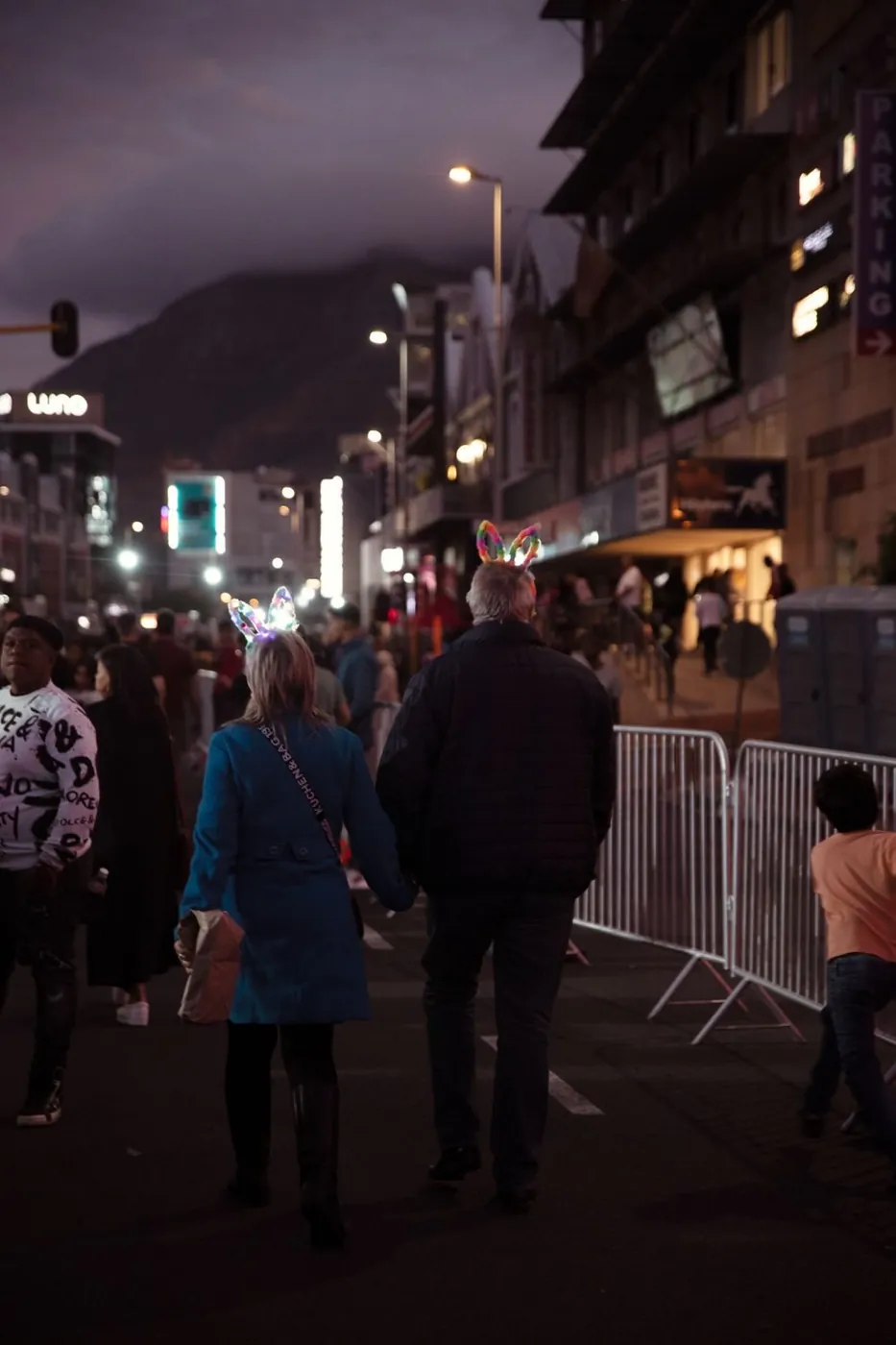
Visually, Names in the Rain would favor reflections over menace. Streetlamps fracture across puddles, archive windows double the faces of people deciding what to reveal, and a red pencil marks disputed names. The score might use piano strings, leaving space for paper rustle and traffic. Such choices make the city feel involved without turning it into a force. Rain is not a symbol that washes the past clean; it is weather that makes work harder. The image of ink bleeding into lines captures the film’s argument: private lives overlap, but proximity does not grant anyone ownership of another person’s account.
Near dawn, Mara discovers that the handwriting is hers because she copied a name from a childhood letter. It belongs to her father’s fifty-five-year-old business partner, whose departure shaped a story told as certainty. Inez recognizes the name but does not supply the answer. Instead she asks Mara what she wants to know, and what she is prepared to do with the answer. That question prevents the mystery from rewarding curiosity without consequence. Mara must decide whether to publish the archive’s findings, return the letters to their living authors, or preserve the gaps as evidence of choices made under pressure.
The ending offers no unmasking. Mara records the collection’s uncertain provenance, seals several letters at their authors’ request, and publishes an account of the money without naming beneficiaries who remain vulnerable. Theo leaves the repaired key on the table; whether he is leaving or returning it stays open. Their goodbye includes a consensual kiss, which neither treats as a contract. In this film, trust is neither access nor secrecy. It is a negotiated practice, renewed through boundaries and accountable choices. The final rain softens the city’s reflections, while the names remain legible and owned by the people who bear them.