
Forbidden Romance · 18+ · 800 WORDS
The City We Avoided
Two estranged adults inherit a secret map of their hometown and must decide whether truth can survive the love they once concealed.
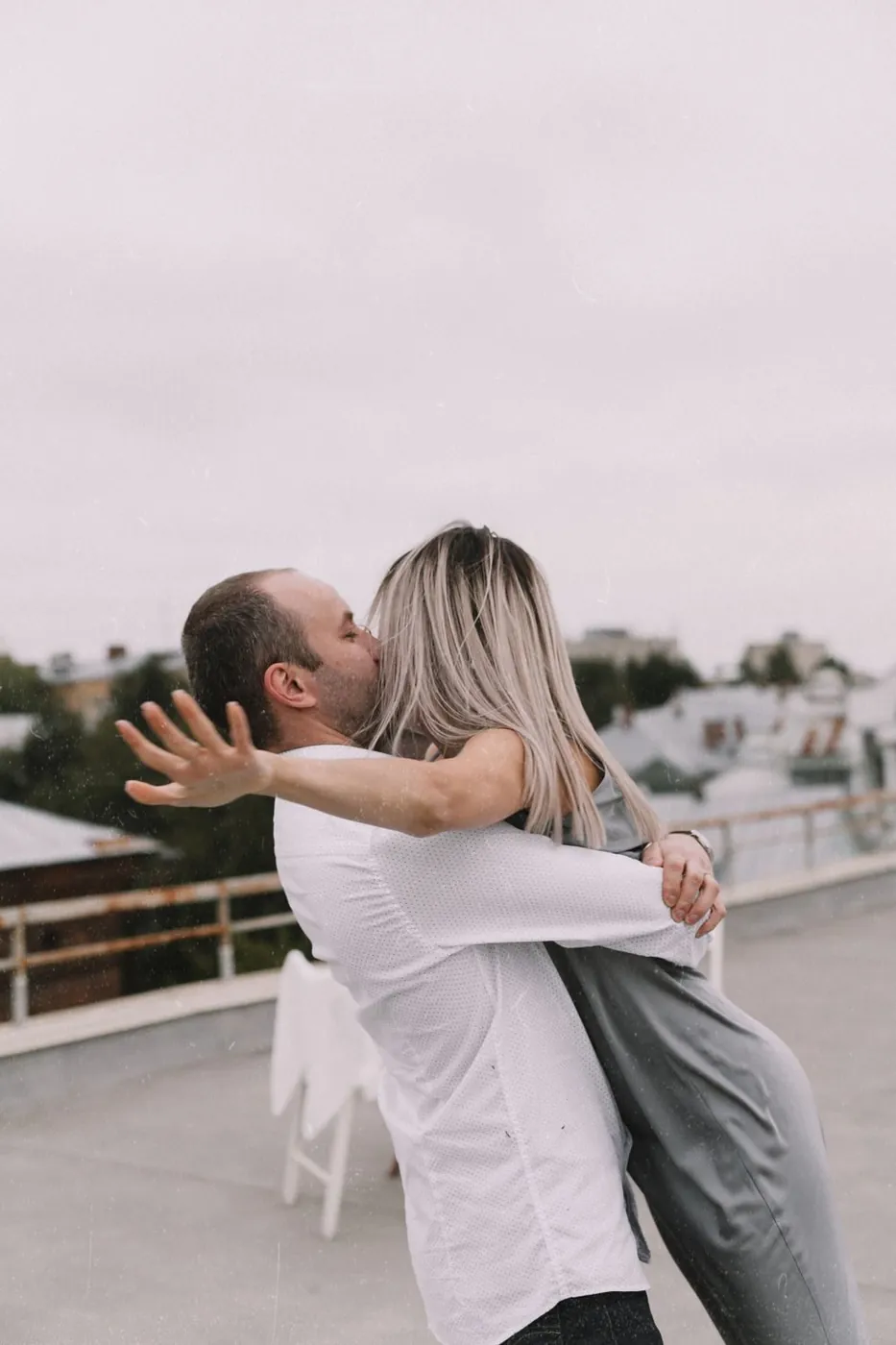
In the fictional drama-thriller The City We Avoided, Mara Venn, a forty-two-year-old municipal archivist, returns to Bellwether after her mentor dies and leaves her a map with streets erased in red ink. Elias Rook, forty-five, the civil engineer overseeing the city’s riverfront redevelopment, is already there, studying the same document. They once loved each other, then agreed to never meet again after a midnight decision neither has explained honestly. Their reunion is not a fresh beginning but a collision with unfinished civic business. The map marks a district scheduled for demolition, and its missing addresses point toward their shared silence.
Bellwether’s old quarter is slated to become a flood barrier, a project Elias believes will protect thousands of residents. Mara discovers that the redacted streets correspond to homes quietly evacuated decades earlier, though official records call the land unoccupied. The revelation threatens Elias’s plan and the legacy of Mara’s mentor, who may have altered the archive. Neither lover can treat the past as private property: tenants, shopkeepers, and displaced families bear its consequences. The thriller’s central question becomes practical rather than melodramatic: can two adults recover trust while deciding who gets to remain in a city built on selective forgetting?
Their intimacy comes into focus through restraint. At thirty, Mara and Elias shared an apartment for one winter, then ended things when Elias accepted an engineering assignment and refused to tell her why. She interpreted his secrecy as a choice to control her; he thought withholding danger was protection. Now, both are old enough to recognize how easily care becomes paternalism. Their attraction returns, but the film refuses to present longing as an entitlement. Mara asks direct questions, Elias answers incompletely, and each pause changes the balance between them. The romance advances through negotiations over truth, not through a reunion.
A sequence in the archive basement supplies the film’s most unsettling image: shelves of damp ledgers breathing softly as the ventilation fails. Mara finds a duplicate relocation list bearing Elias’s father’s signature and her mentor’s annotations. Elias admits that his family profited from the clearance, but insists the present barrier is not designed to repeat that theft. His candor matters, though it does not absolve him. Mara refuses to become his confessor or convenient moral witness. She takes the evidence to a neighborhood assembly, where residents challenge both the engineers’ assurances and her assumption that uncovering history automatically repairs harm.
The city itself acts like a third participant in their relationship. Narrow lanes force Mara and Elias into awkward proximity; bright construction lights expose every expression; river sirens interrupt their tender conversations. Bellwether is neither seductive backdrop nor haunted metaphor alone. It is a system of permits, drainage channels, property claims, and memories unevenly preserved. The film’s visual grammar makes intimacy public: whenever the pair move closer, glass or water reflects them alongside the streets they might erase. A consensual kiss arrives after an argument, not as a solution. They separate afterward, aware that desire cannot substitute for accountable choices.
When a storm warning gives the redevelopment team forty-eight hours to close the floodgate, Elias faces a deadline. His analysis says delaying the barrier risks flooding a low-lying district; Mara’s documents suggest the official hazard model omits the homes at greatest risk. He offers her access to his calculations, not a promise that she will agree. She brings residents into the review and insists the data be explained in public language. Their cooperation is conditional and exhausting. The suspense grows from competing responsibilities, not from a villain’s threat, and each hour makes their history harder to separate from public safety.
Mara eventually discovers the erased addresses were not hidden to enrich developers; the clearance also diverted floodwater away from wealthier streets, making some families’ loss part of the city’s protection strategy. Elias’s father signed the plan, while Mara’s mentor helped disguise its scale, then preserved evidence in fragments. The film lets revelations remain complicated. Elias withdraws his approval of the current barrier until independent modeling can include residents’ testimony. Mara publishes the archive with names removed at families’ request, accepting that disclosure has boundaries too. Their choices do not repair decades, but they interrupt the machinery that would repeat them.
The scenes leave Bellwether unfinished. A gate holds through the storm, and redevelopment pauses for a review. Mara and Elias walk toward train platforms, agreeing to meet only if neither uses the meeting to demand forgiveness. Their affection is genuine, but so are the limits they set: no files, no protection disguised as silence, no romance offered as payment for repair. The City We Avoided imagines forbidden love not as a secret that must triumph, but as a bond tested by unequal power and responsibility. Its gesture is not reunion; it is choosing what must change before one becomes possible.