
Psychological Drama · 18+ · 800 WORDS
The Door in the Testimony
A court interpreter reopens a sealed testimony archive and must decide whether truth can be restored without taking control of someone else’s story.
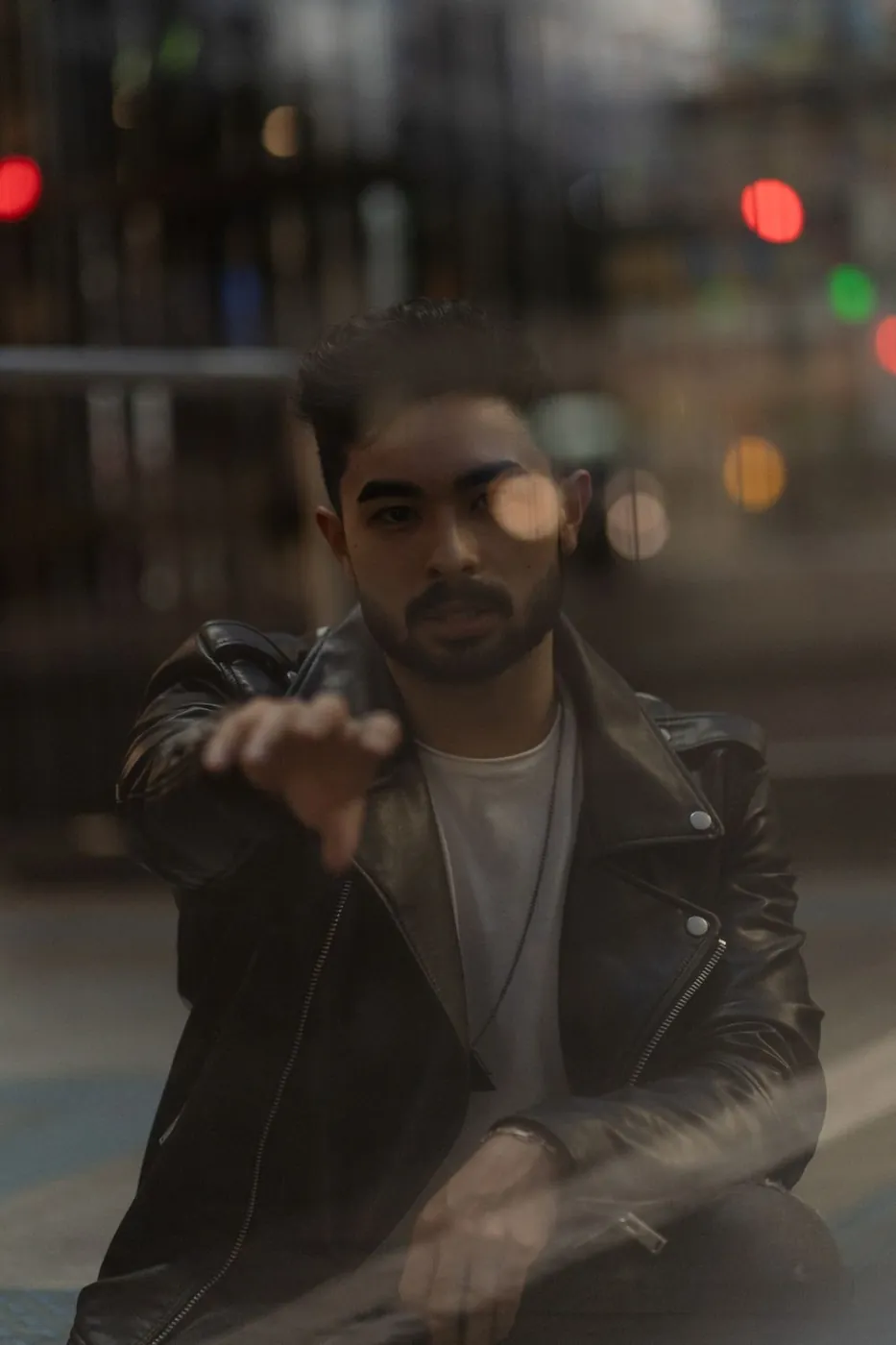
In the psychological drama The Door in the Testimony, Mara Venn, a forty-two-year-old court interpreter, is summoned to help catalog recordings left by Elias Rook, a retired judge. His archive contains testimony from a case, yet one cassette captures a door creaking behind a witness who insists no door existed. Mara recognizes the sound: it belongs to the apartment where her former partner, Daniel, disappeared from her life. The film begins not with a crime to solve, but with a question about listening: when does attention become an instrument of control, and whose account earns the right to be believed?
Mara accepts the job because she has trained herself to treat memory as evidence only when corroborated. At the archive, she meets Noor Bell, a fifty-year-old conservator whose silences make the room feel less like storage than a listening chamber. Together they find that Elias labeled each tape with dates, not names, and that several recordings contain unusually long pauses. Noor refuses to call them edits; she says preservation cannot mean deciding what a speaker intended. Their disagreement gives the film its first boundary: curiosity may open a door, but it does not grant ownership of whoever waits beyond it.
The case concerned a disputed inheritance, and the witness on the cassette was Daniel, thirty-eight, describing a relationship that had ended without explanation. Mara had believed he left because intimacy had become a ledger of favors, apologies, and debts. She hears him say that Elias urged him to rehearse his account until it sounded credible. The revelation does not prove Daniel truthful, nor restore their partnership. The recording unsettles Mara's confidence in her fluency. As an interpreter, she once thought precision meant removing herself; the film asks whether neutrality can become complicity when a powerful listener shapes the available words.
Noor discovers that the creak is not on the master but on a duplicate made after the hearing. She could report the alteration, preserving archive integrity, yet doing so would expose Daniel's testimony to scrutiny. Mara asks permission to contact him, then waits rather than searching through addresses. That restraint is suspenseful: agency here means allowing an unanswered question to remain unanswered. When Daniel replies through counsel, he agrees to meet only if Noor attends and no recording device enters the room. Mara accepts each condition, including the one she fears, that the meeting may offer no reconciliation or explanation.
Their conversation takes place in a public greenhouse. Daniel, now forty-five, says he asked Elias to omit the door sound because the judge had turned an accidental noise into a metaphor for concealment. The cassette's extra creak was added by Elias later, he suspects, to make the testimony seem haunted and memorable. Daniel does not accuse Mara of betrayal; he says they both mistook disclosure for a duty owed to one another. She admits she once translated his silences into consent. Their exchange avoids neat absolution, letting trust appear not as a recovered possession but as a practice requiring boundaries.
The thriller tightens when Mara finds an annotation: “A threshold is not proof.” It could be a warning to Elias himself, courtroom shorthand, or an invitation to keep interpreting. Noor proposes releasing the unaltered master with its chain of custody, but Daniel has not authorized disclosure of his words. Mara must choose between professional transparency and a person's right to withdraw from a proceeding. The film refuses to frame privacy as cowardice or transparency as virtue. Every option carries consequences: silence protects Daniel while leaving the archive's manipulation unnamed; publication corrects the record while making his private history available again.
Mara submits a narrow report to the archive's trustees. She documents the duplicate, preserves both versions securely, and describes the alteration without quoting Daniel or identifying him. Noor signs as witness, though the decision costs her an exhibition. The trustees postpone the archive's opening and commission a review. No one knows whether Elias's motives will ever be fully understood or the hearing repaired. Mara's action gives neither institution nor former partner complete command over her account. In the film's sharpest turn, she declines to interpret Daniel's final message, asking him to speak for himself if he wants his words heard.
The closing image returns to the archive, where a door stands open. No sound follows. Mara leaves without checking whether anyone watches her, and Noor switches off the recorder before their conversation begins. The Door in the Testimony imagines suspense as an ethics of attention: a clue matters less than the conditions under which someone may refuse to explain it. Its adult, quietly unresolved romance remains, yet the characters gain something sturdier than reunion, a language for consent, accountability, and imperfect trust. A threshold can invite passage, but it cannot testify on behalf of anyone who chooses to stay outside.