
Psychological Drama · 18+ · 800 WORDS
The Perfect Version
A portrait commission reveals how a husband’s tenderness can become an attempt to author his wife—and how she reclaims the right to remain unfinished.
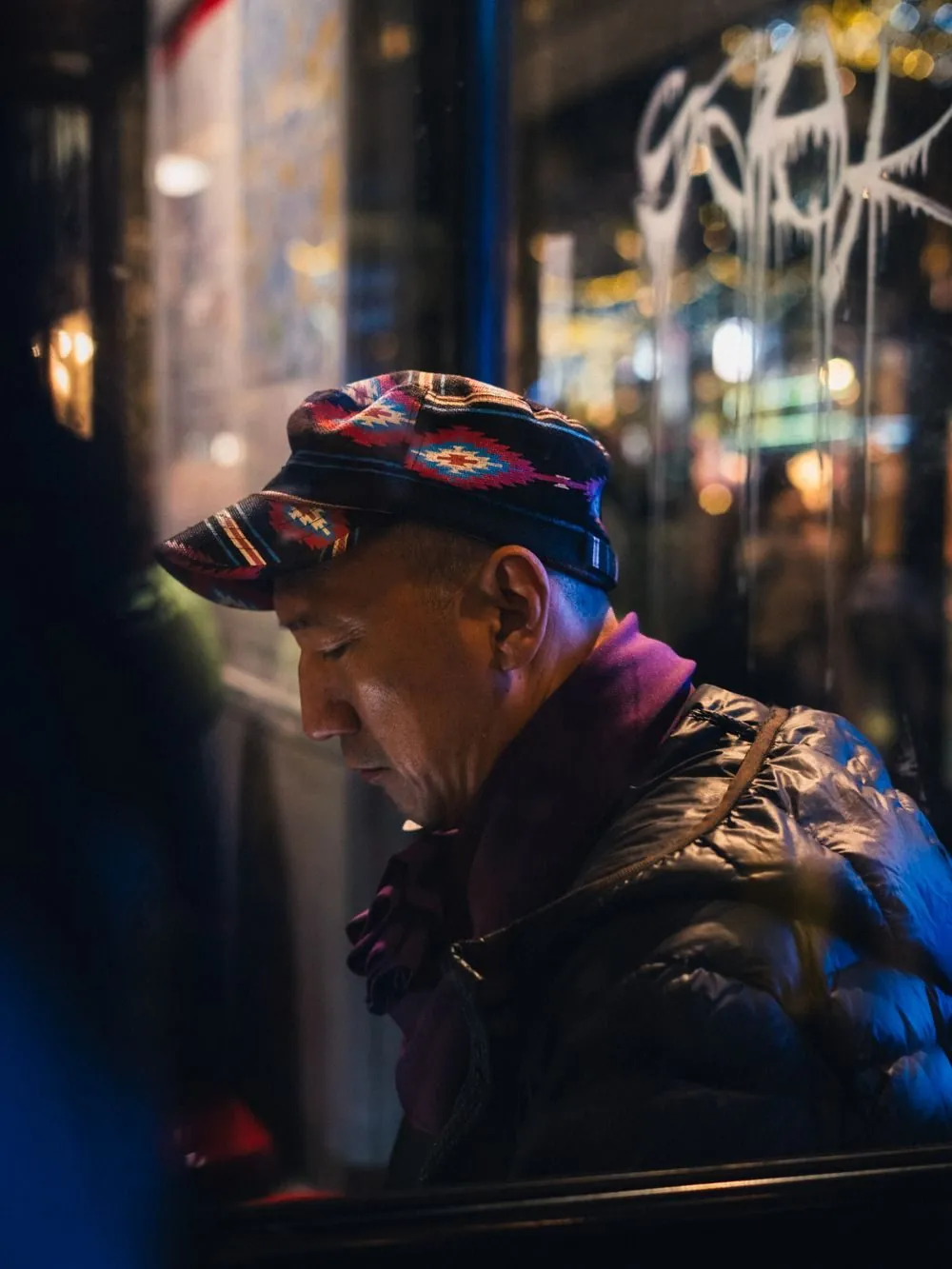
In this fictional psychological drama, Mara Venn, a forty-one-year-old architect, discovers that her husband, Elias, has been commissioning portraits of her from strangers. Each image depicts a woman, yet every version seems calmer, kinder, and less likely to challenge him. The premise could invite a thriller about surveillance, but The Perfect Version turns the lens toward domestic authorship: who gets to describe a person, and what happens when affection becomes an editing process? Mara fears no camera. She is unsettled by the possibility that Elias has mistaken his interpretation for intimacy, and called that mistake love. Her independence is central.
Mara and Elias are adults in their forties, married for eleven years, and fluent in each other's habits. He remembers her coffee order; she knows when his silences signal exhaustion rather than anger. Their language has acquired an asymmetry. Elias narrates arguments, polishing them into stories where Mara's objections become evidence of stress. He says he is protecting their peace, and she accepts the explanation because it resembles tenderness. The portraits expose the pattern without supplying confession. Each artist has received a prompt from Elias, each describing a woman who resembles Mara but never possesses her impatience, humor, or refusal.
The film's choice is to make the commission legitimate. The portraitists are adults, paid professionals, and unaware of the marriage's stakes. None has stolen photographs or crossed an agreed boundary; Elias has simply asked them to imagine someone he knows. This distinction keeps the suspense from becoming a routine hunt for evidence. Mara can find the invoices, but no receipt proves betrayal. Instead, she studies the language Elias supplied: dependable, forgiving, easy to reassure. What disturbs her is not that strangers rendered her incorrectly. It is that her husband gave them instructions that make her self-description feel like a contradiction.
Mara's response is not an escape, nor a speech that solves the marriage. She requests the prompts, sets a boundary against commissions, and asks Elias to stop summarizing her feelings before she has finished expressing them. These consequential demands become the film's suspense engine. Elias agrees, reaches for habits: he explains her request as a wish for reassurance, proposes a joint account of events, and offers an apology that leaves his choices unnamed. The story understands that a boundary is not a sentence. Its force depends on what the person setting it will do when the other person tests it.
The title sounds like a promise of improvement, the sales pitch behind every retouched portrait. It becomes an accusation neither spouse can own. Elias has cultivated a perfect version of Mara, but he has also cultivated a perfect version of himself: attentive, perceptive, incapable of intending harm. The drama refuses to let his intentions cancel their consequences. At the same time, it gives him room to recognize the gap between care and control. His shame matters, but it does not obligate Mara to soothe him. That distinction makes their relationship feel more complicated than a contest between innocence and malice.
Visually, the film could distinguish its competing accounts without resorting to fantasy. Portraits hang in a rented studio, their features rearranged by different hands; the apartment stays stubbornly ordinary. A half-finished canvas catches Mara's sharp grin, while another softens her mouth into agreeable stillness. The images do not tell viewers which woman is authentic. Mara herself changes across the story, sometimes generous, sometimes evasive, sometimes exhausted by the demand to be legible. This visual restraint supports a more interesting question: can trust survive when one partner has treated interpretation as a substitute for asking, and listening as permission to revise?
The act turns on agency rather than revelation. Mara learns Elias withheld the portraits because he feared she would see his prompts as a verdict. He admits he liked the imagined calm they offered during a season, but cannot claim the commissions were harmless because he never displayed them. Mara decides they will live apart for a time, a consequence neither an apology nor a promise can reverse. Her choice is not framed as punishment. It creates space for both people to discover whether a relationship can be rebuilt around disagreement, rather than one person's polished account of the other.
The Perfect Version would leave its ending open to honor uncertainty. In the scene, Mara visits the studio and asks one portraitist to destroy no work; she wants images preserved as evidence of a conversation she did not consent to have on Elias's behalf. She begins a portrait of her, stopping whenever the face looks settled. The gesture offers no guarantee of reconciliation. It, however, returns authorship to her, including the right to remain unfinished. As drama, the concept finds suspense in a peril: being loved as an idea, then choosing to be known on her terms, at her pace.