
Secret Affairs · 18+ · 800 WORDS
The Third Elevator
A phantom elevator turns a married engineer’s curiosity into a test of trust, privacy, and the futures partners choose for themselves.
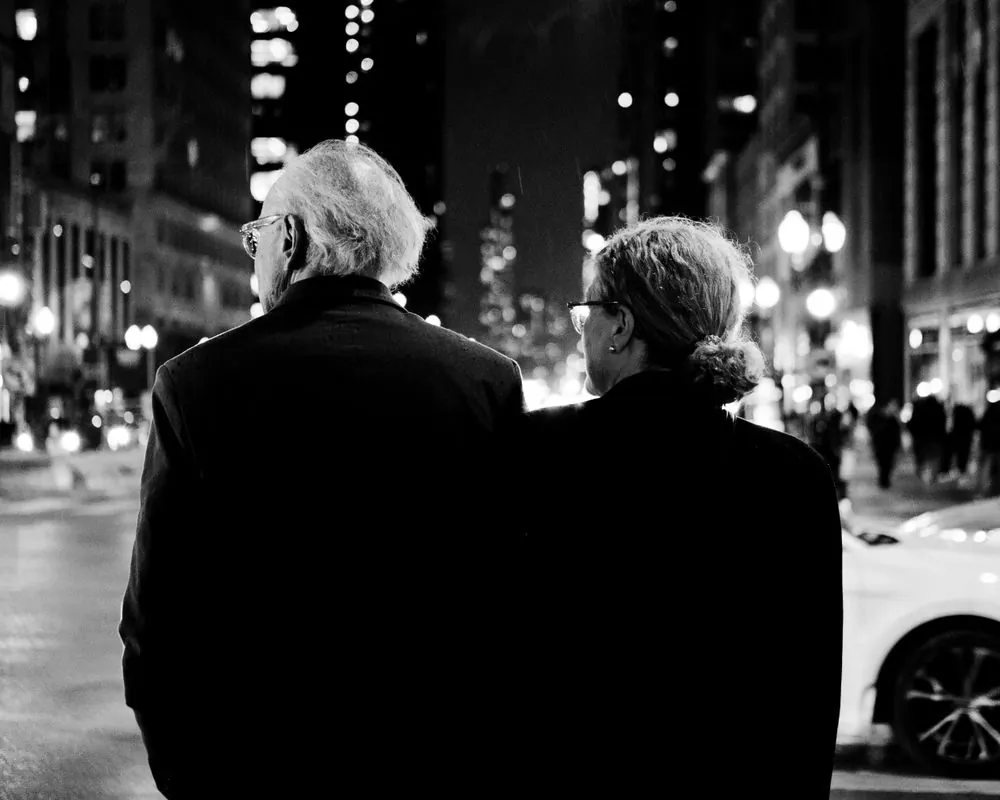
In this fictional thriller, the unusual room in Halcyon Tower is not a penthouse or an archive, but an elevator that appears only between floors twelve and thirteen. Mara Venn, a forty-two-year-old building systems engineer, discovers it during an inspection, then watches its doors open onto a version of the lobby where every clock runs backward. Her husband, Elias, a forty-six-year-old crisis lawyer, insists she is exhausted. Yet his calm certainty unsettles her more than the impossible lift. The intrigue begins with a question of marriage: what if the secret one spouse protects is not an affair, but an exit?
Mara and Elias have lived together for eleven years, and their intimacy has acquired the choreography of shared calendars and withheld disagreements. When Mara asks why he recognizes the elevator’s bell, Elias admits that he has ridden it before, but refuses to say when. That admission does not prove betrayal; it creates a boundary she can name. She will not let him decide which truths she is equipped to hear. The story treats secrecy as a choice with consequences, not a mystery, and gives Mara room to investigate without making her resolve depend on forgiveness, reconciliation, or a husband’s permission.
The lift’s rules arrive in fragments. A passenger can enter alone, select a floor absent from the building directory, and emerge into a remembered moment that someone in the tower has deliberately concealed. No scene offers a painless rewrite: whatever Mara witnesses changes her understanding, never the past itself. On the ninth floor she finds a retired architect, Lenora Pike, sixty-eight, waiting beside a service cart, who tells her the elevator has served as the tower’s private confessional for several decades. Lenora’s adult partnership ended after one passenger confused access to another person’s memory with ownership of that person’s truth.
This history sharpens the film’s ethical question. If Mara can uncover what Elias withheld, does curiosity become intimacy, or surveillance? The screenplay refuses to equate disclosure with entitlement. Mara obtains permission before entering an apartment where the elevator deposits her, and declines to replay a private conversation after realizing the person involved never consented to be observed. Her restraint costs her a clue, but preserves a principle. The tension comes from watching someone resist the seductive, limitless and illicit power of a device. Each door promises certainty; each threshold asks whether certainty is worth violating another adult’s agency and boundaries.
Elias explains that earlier, before meeting Mara, he used the elevator to witness his sister Celia’s final conversation with their father, both then over twenty-one. He had been absent from the hospital and wanted to know whether his father had asked about him. The machine showed only a sliver, and Elias built a private history around it. He hid that grief because he feared Mara would mistake his silence for distance. His fear is understandable, the concealment is not harmless, and the film allows both truths to coexist. Their argument feels deeply consequential because nobody is reduced to a villain.
Mara’s secret is smaller, but no less revealing. She has accepted an offer to restore a distant coastal hotel and planned to tell Elias only after signing, assuming he would ask her to stay. The discovery turns the marriage’s imbalance inside out: both partners have been preparing for a future without inviting the other into its formation. They pause the argument and negotiate boundaries around the elevator, including a rule against using it to inspect each other’s memories. Their agreement does not heal them right away. Instead, the film imagines trust as a practice, built through choices that remain reversible.
The movement brings Mara and Elias to the unlisted floor together, but the elevator will not open while they conceal an answer from each other. Its demand is not a confession of every private thought; it asks them to state what they want next. Elias wants to mourn without turning grief into evidence. Mara wants the hotel job and a relationship in which ambition is not treated as abandonment. They step out before the doors reveal any memory. The mechanism yields no verdict, only a decision made in the present, where consequences belong to the people who must live them.
The Third Elevator finds suspense in the interval between a question and an answer. Its brass doors and backward clocks supply imagery, yet the architecture matters more: two adults learning that honesty cannot be demanded as access, and privacy cannot excuse manipulation. Mara’s choice remains hers, whether she accepts the job, repairs the marriage, or chooses another life. Elias must meet her as a partner rather than a keeper of withheld explanations. The final image is an elevator arriving at a floor after the building returns to normal, leaving viewers to wonder what honesty requires after the impossible has passed.